CNSL
CNSL is a free DIY productivity app for individuals or small teams. It runs in the browser, so the same seven tools and the same projects are on every device.
The name and the idea are from 2006, when Windows Mobile on my HTC was too cumbersome to catch a thought. I built it twenty years later, after my go-to time-tracking app shut down.
Built with
- Next.js
- Supabase
- Prisma
- TipTap
- dnd-kit
- fractional-indexing
- Web Push
- HeroTour
How it works
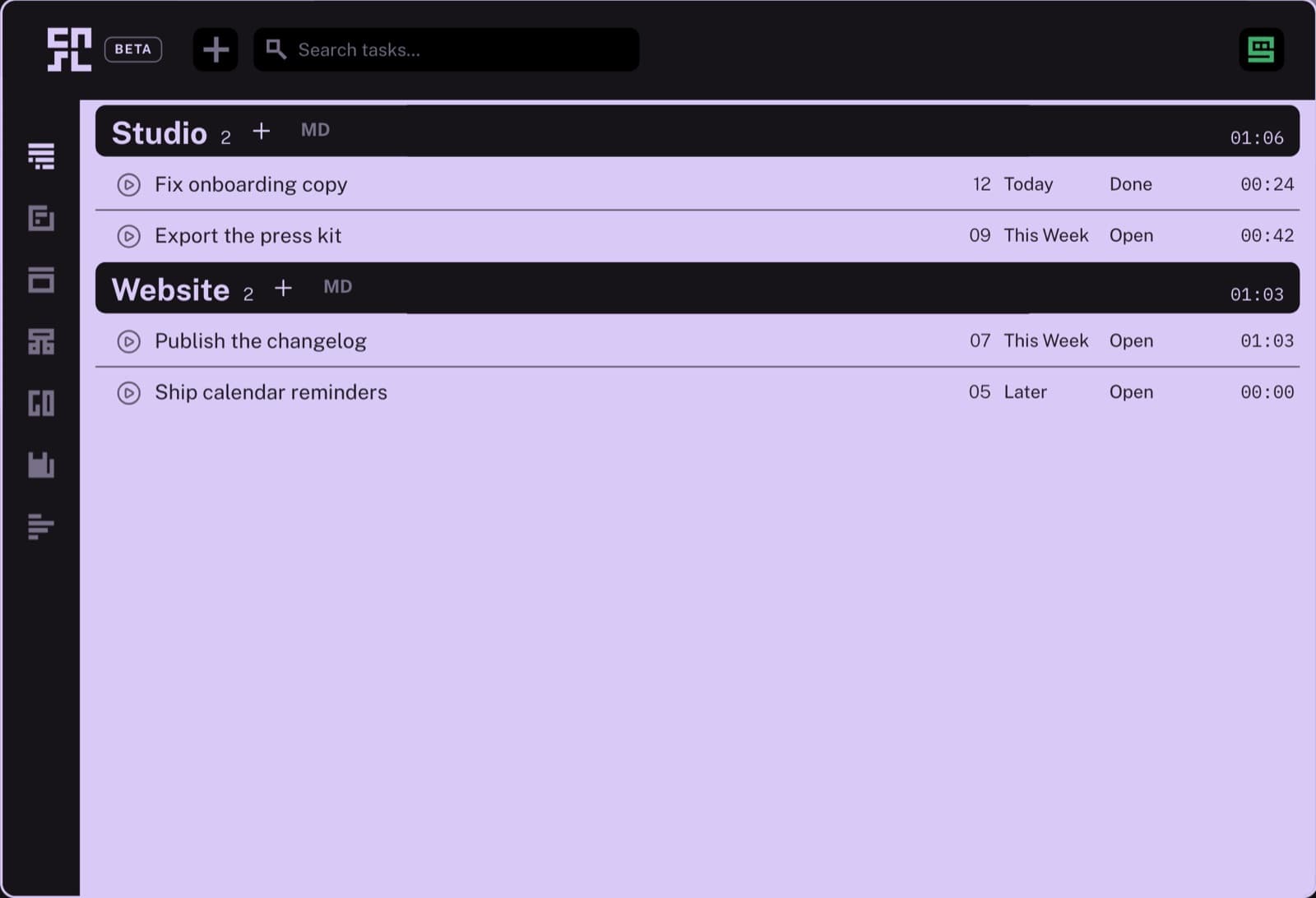
The tracker holds the tasks and runs a timer on one or many of them — one click, on the task itself. While it runs, the PWA on my phone carries a badge, which is what I kept forgetting in Toggl.
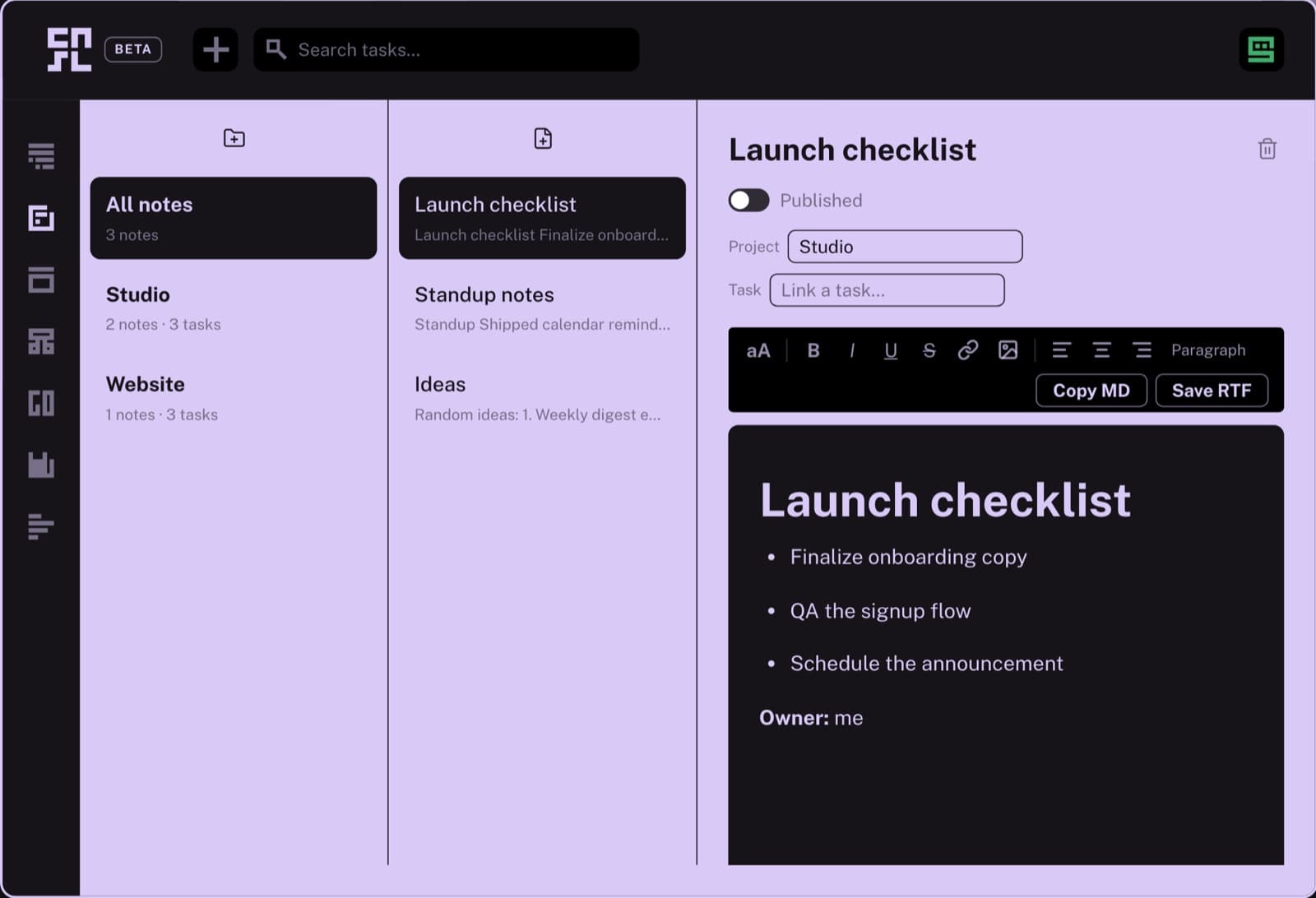
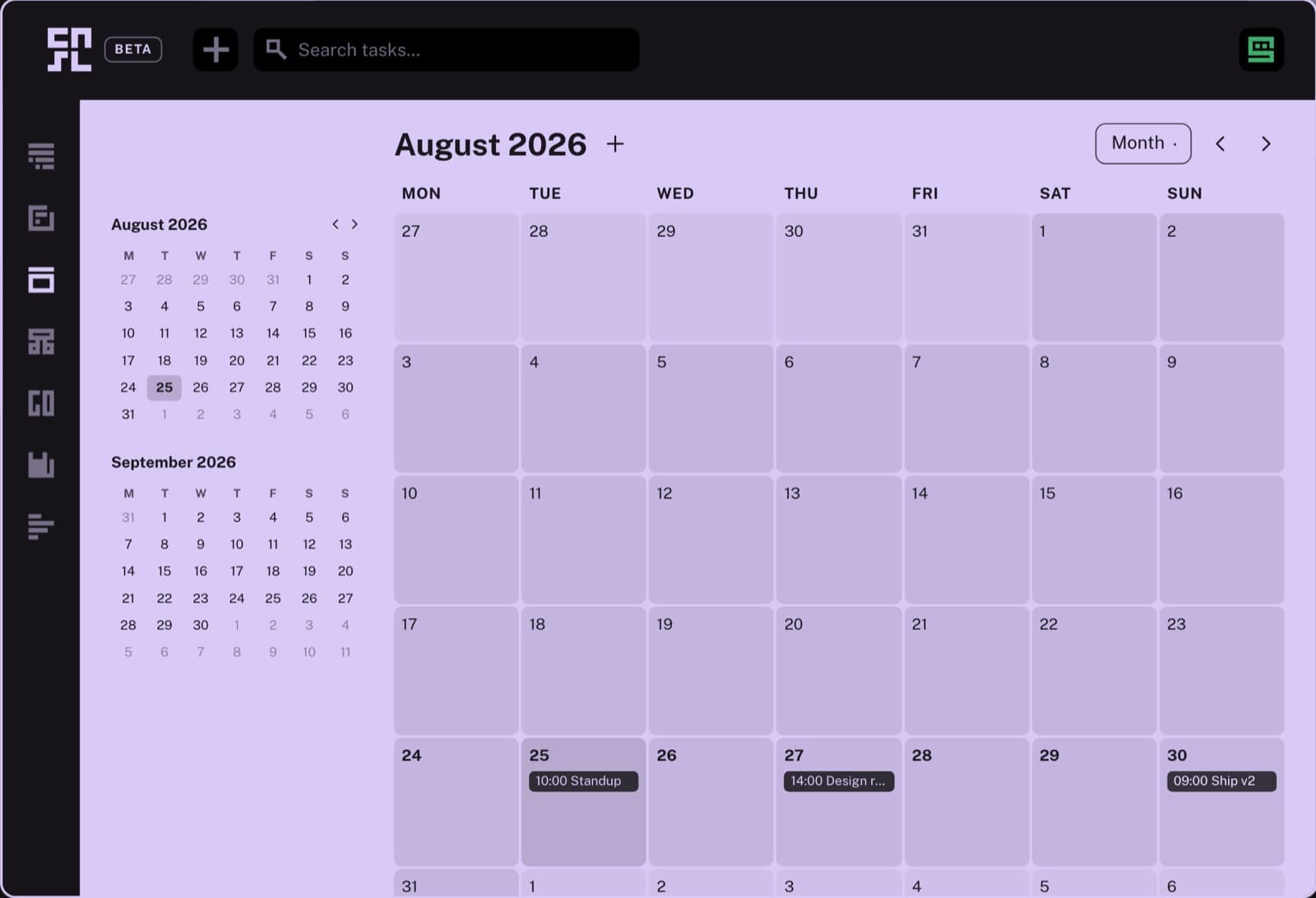
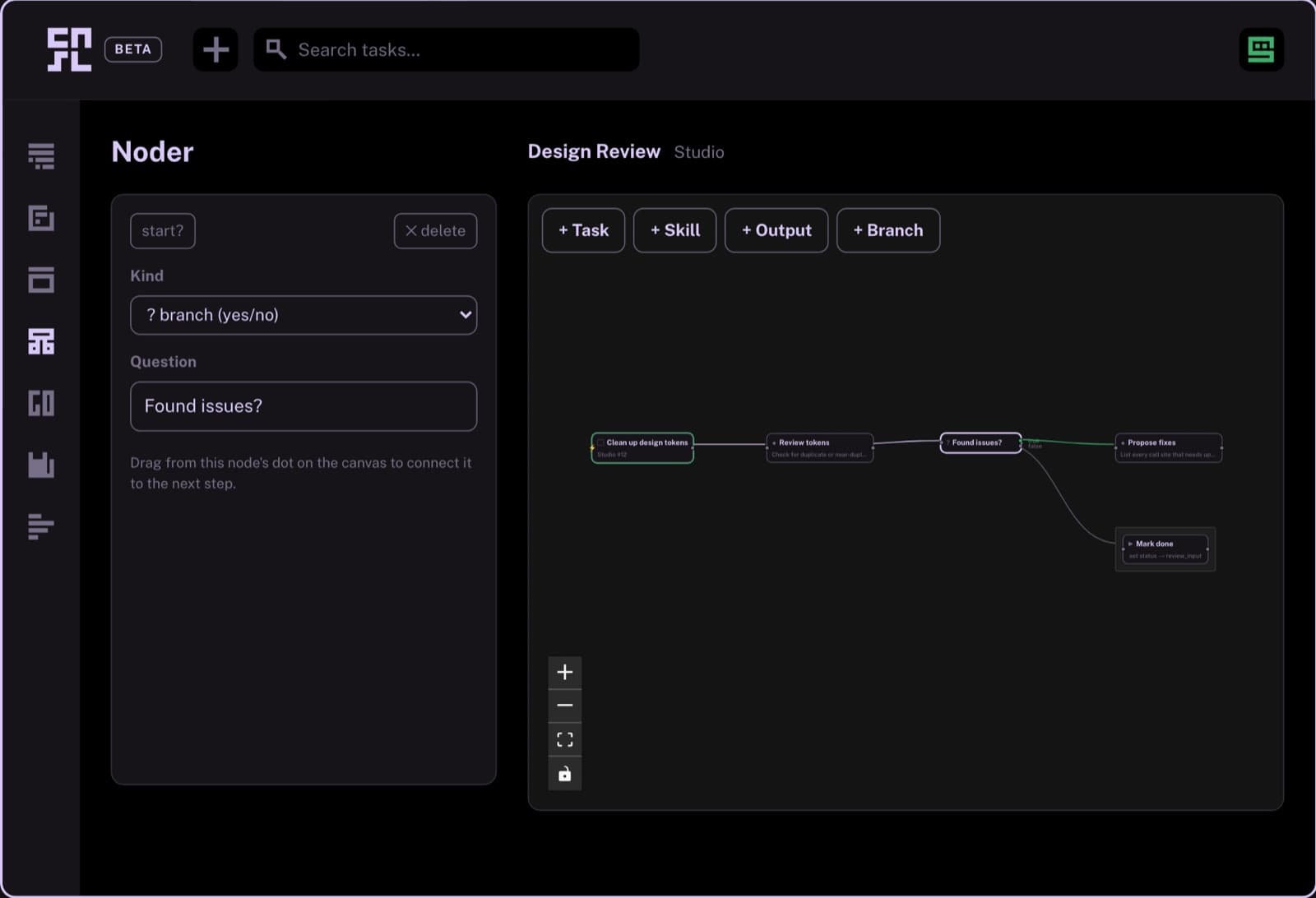
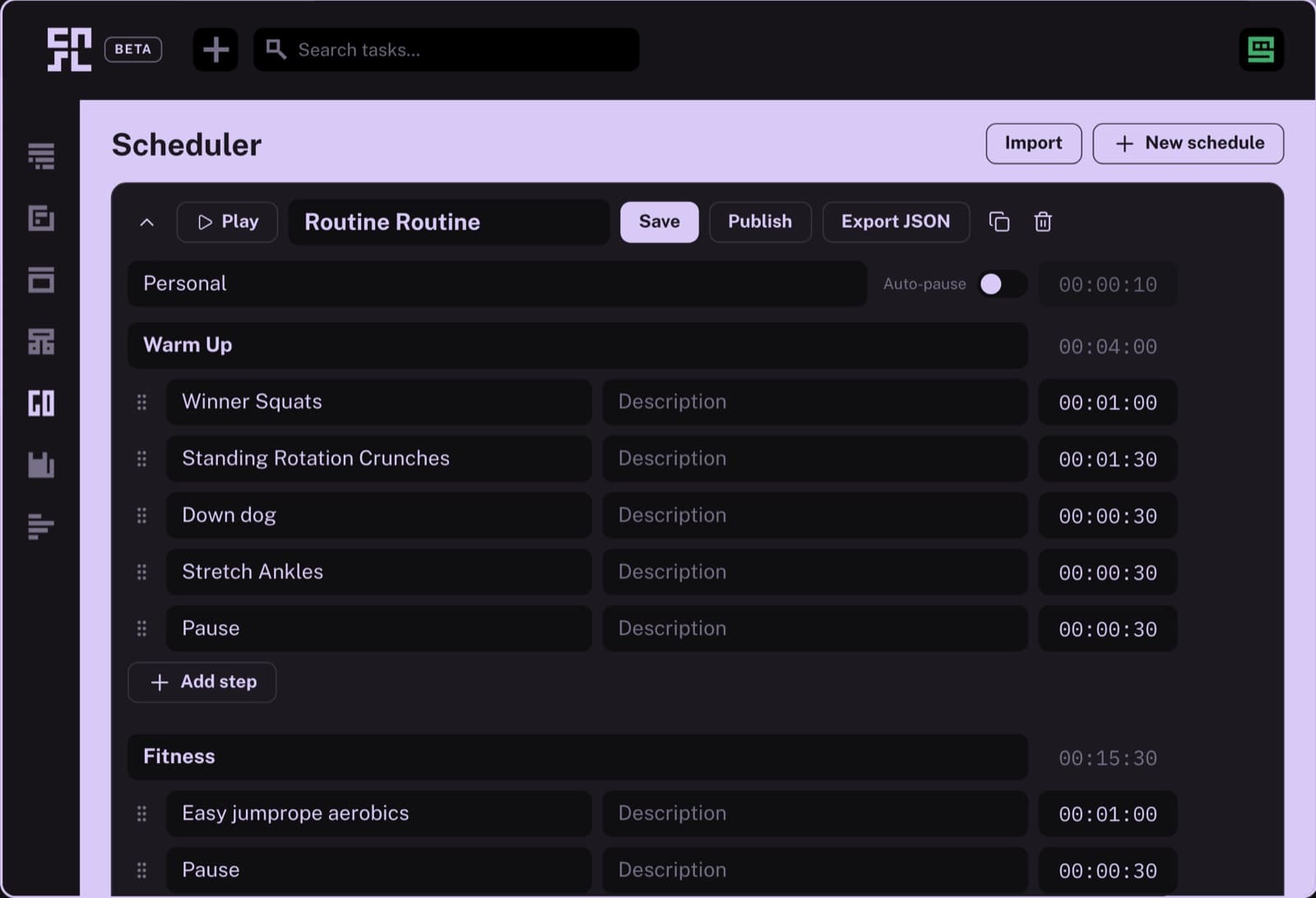
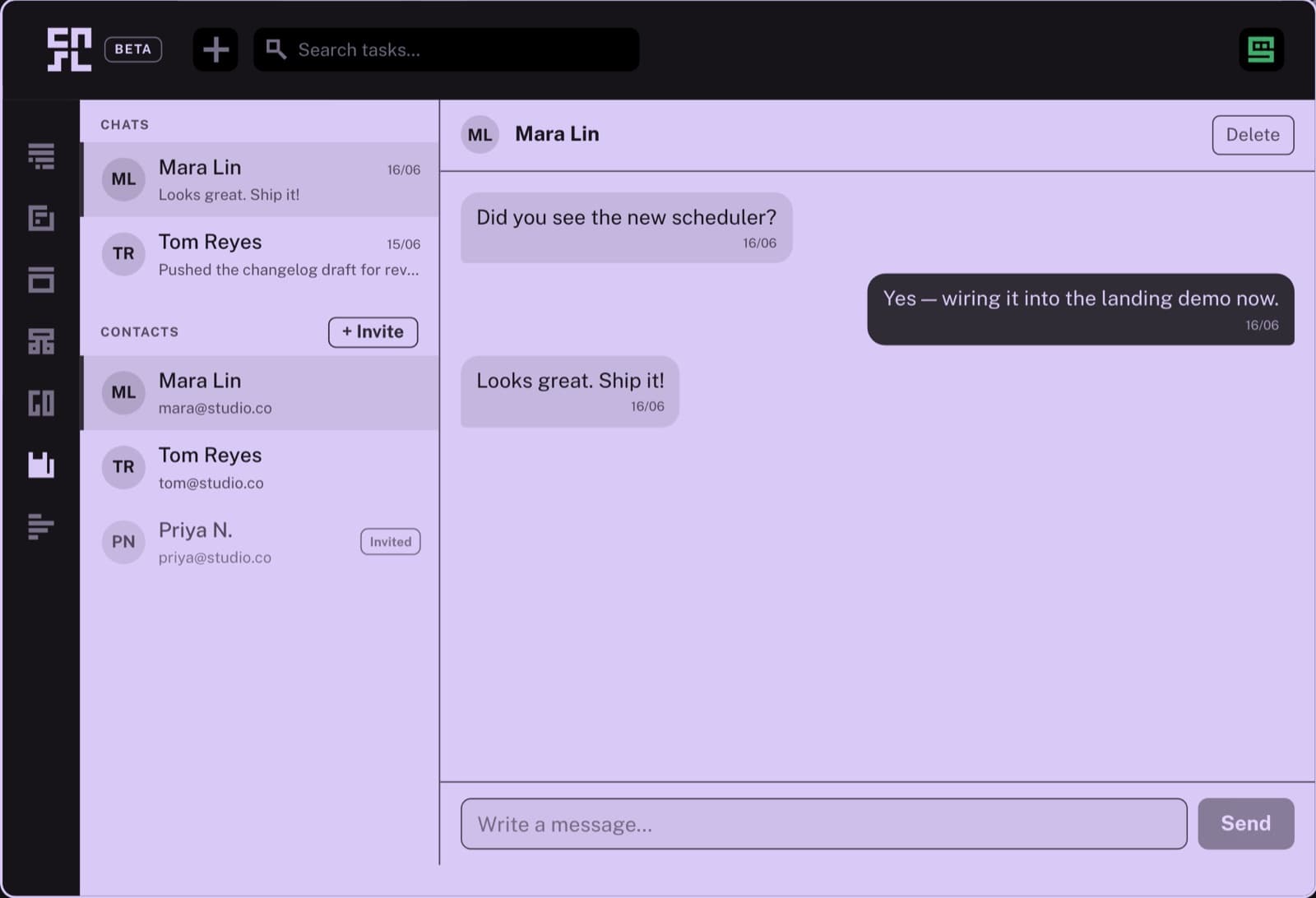
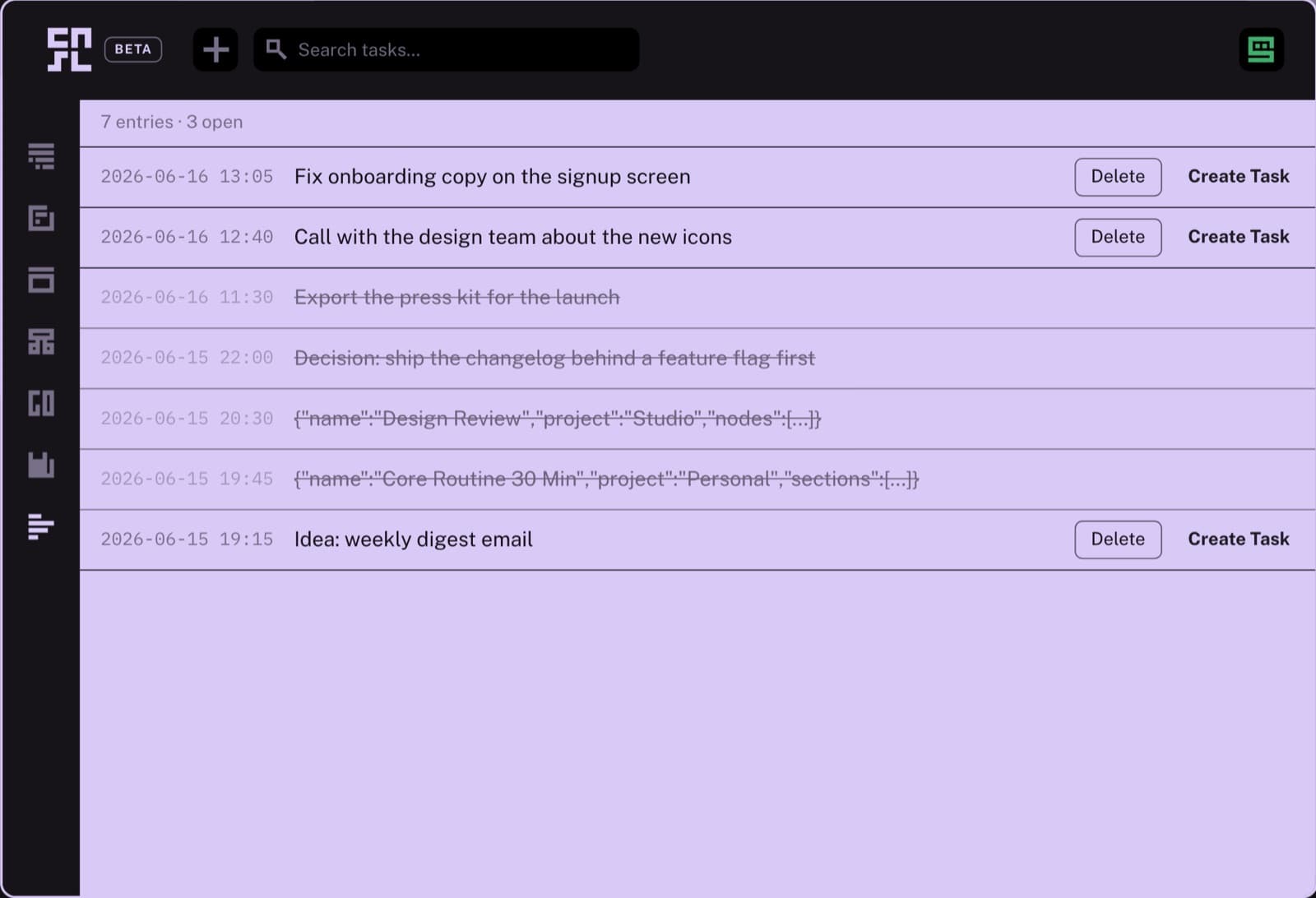
The calendar puts tasks on dates. The scheduler turns a repeated sequence into timed steps. The noder chains tasks through an LLM. The note pad became my micro publisher, and the chat works inside projects.
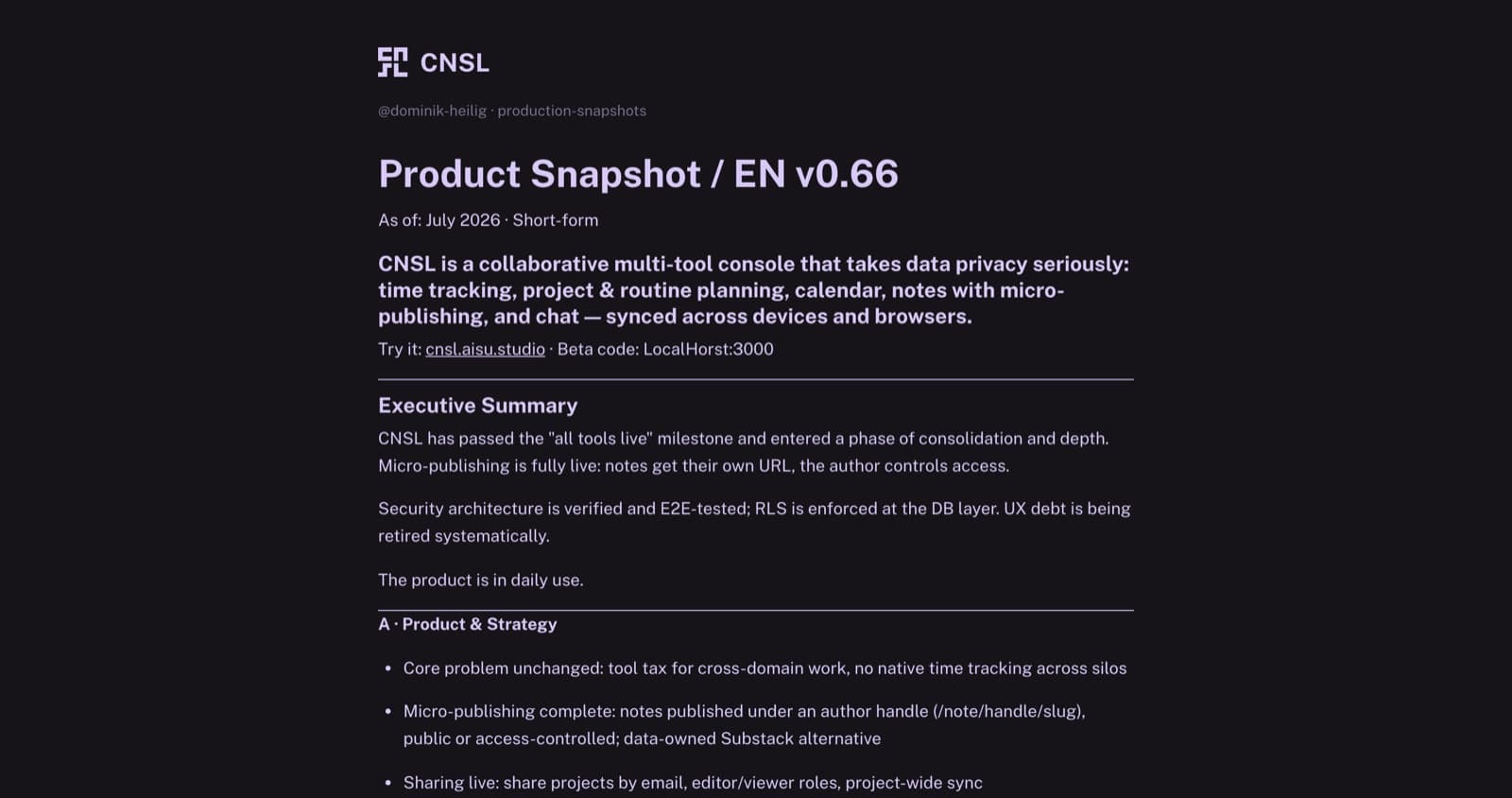
A note can be given its own public URL. A project can be shared with editor, viewer or contributor roles, or opened for submissions from people without an account.
In numbers
2026 34 Days 10+ Running projects
Process
- Organisational pain
- Big Vision into Claude
- MVP
- On every device
- Add tools
- dog-fooding
Dogfooding became the main driver for development. The more the app was capable of, the more I used it for my own planning. Opportunities and breaking points became apparent fast. With agentic building they were relatively easy to build or fix.
Later the board seeded itself from CNSL’s own roadmap on first load. The app tracks its own development, so every missing feature is visible while you use it.
Hardest call
The first version kept everything in the browser. Tasks lived in local storage — no server, no account. That ruled out sharing and a second device.
I chose those limits. The shape of the product changed every week. With nothing in a database there was nothing to migrate when a view changed; with no data on a server there was nothing that could leak. The backend came once the shape had settled.
What's next
In daily use — saturated Small fixes only, no roadmap. It grows when a need shows up.
What can Iget out ofyour way?
Reach out